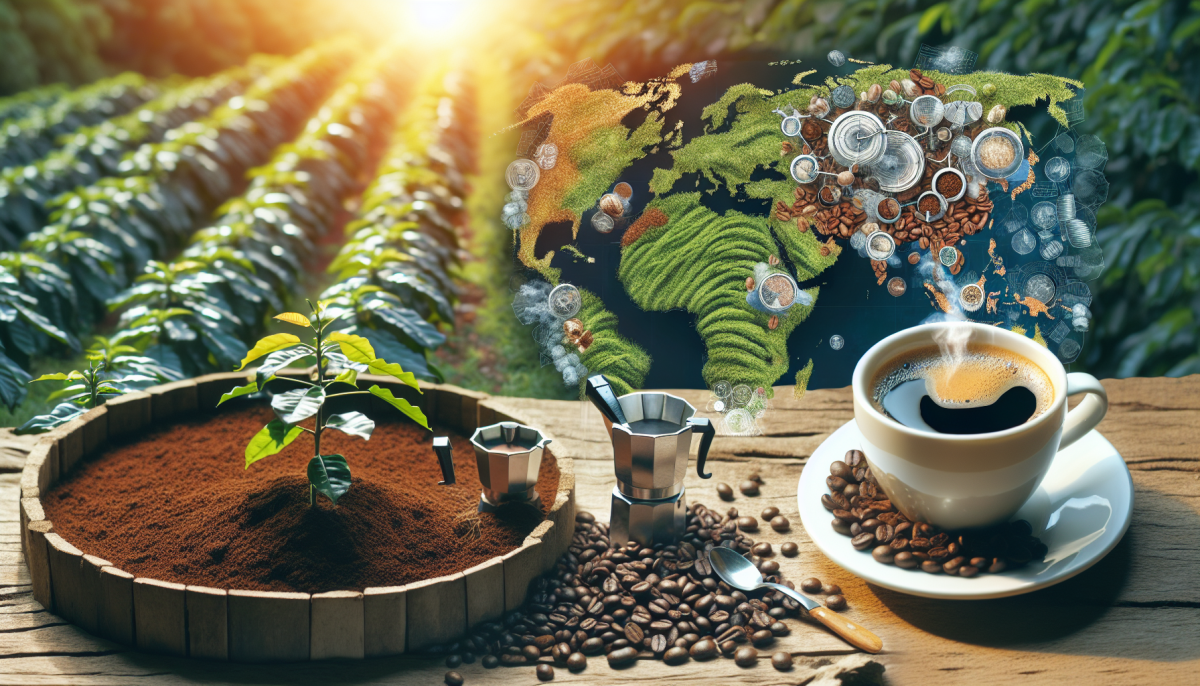
Coffee's journey began in the highlands of Ethiopia, where legend has it that a goat herder named Kaldi discovered the energizing effects of coffee beans. He noticed that his goats became unusually lively and energetic after eating the bright red berries from a particular tree. Curious about this phenomenon, Kaldi tried the berries himself and experienced a delightful boost of energy. News of this magical fruit began to spread, eventually making its way to the Arabian Peninsula.
By the 15th century, coffee had found a home in Yemen, where it was cultivated and traded. The first mention of coffee as a beverage appeared in the Sufi monasteries, where it was enjoyed for its stimulating effects during long nights of prayer and meditation. From Yemen, coffee spread to Persia, Egypt, and Turkey, where coffee houses, known as qahveh khaneh, became cultural hubs. These establishments flourished, buzzing with conversation, music, and the aroma of brewing coffee.
As trade routes expanded, coffee crossed into Europe in the 17th century. The arrival of coffee in England was met with enthusiasm, leading to the establishment of coffeehouses that quickly became centers of social interaction and intellectual discussion. These gatherings played a crucial role in the Age of Enlightenment, as ideas and innovations flowed freely in the stimulating atmosphere fueled by this newfound beverage.
In the New World, coffee was introduced in the 18th century. European colonizers began cultivating coffee in places like Brazil and the Caribbean, transforming coffee from a luxury good into a global commodity. As production grew, so did its popularity, and coffee became integral to cultures around the world. Today, coffee is enjoyed by millions, symbolizing connection, warmth, and the shared experience of life’s simple pleasures.
Cultivation Practices and Sustainability Efforts
Cultivation practices in the coffee industry have evolved significantly over the years, shifting towards methods that prioritize sustainability and environmental health. Traditional coffee farming often led to deforestation and soil depletion. However, many farmers are now adopting shade-grown coffee techniques, which involve planting coffee trees under a canopy of other trees. This practice not only preserves biodiversity but also protects the soil and helps maintain healthy ecosystems.
Organic farming is another important aspect of sustainable coffee cultivation. Coffee grown without synthetic fertilizers or pesticides helps reduce pollution and promotes healthier soil. Farmers who practice organic farming often see the benefits in their crops, as they produce high-quality beans that appeal to conscious consumers. Furthermore, organic certification can provide farmers with better economic opportunities, as consumers are willing to pay a premium for sustainably sourced products.
Water conservation is also a critical focus in sustainable coffee farming. Many coffee-producing regions face water scarcity, and efficient water management practices are essential. Techniques such as rainwater harvesting and drip irrigation are becoming more common. These methods not only conserve water but also improve crop yields, ensuring that farmers can sustain their livelihoods while protecting local water resources.
Additionally, many coffee producers are participating in fair trade initiatives, aiming to provide equitable wages and safe working conditions for their workers. By supporting fair trade practices, consumers can contribute to the overall sustainability of the coffee industry. This commitment to ethical practices strengthens communities and promotes a more responsible supply chain, benefiting both producers and consumers alike.
Cultural Impact and Global Traditions
Coffee has profoundly influenced cultures across the globe, shaping social interactions and traditions in unique ways. From bustling cafés in Paris to traditional coffee ceremonies in Ethiopia, the beverage has become a canvas for cultural expression. In many societies, coffee is more than just a drink; it symbolizes hospitality, friendship, and community. People gather to share stories and connect over a cup of coffee, creating bonds that transcend generations.
In Italy, the ritual of enjoying an espresso is considered an art form, where each sip is savored and appreciated. The "caffè" is integral to day-to-day life, often enjoyed standing at the bar for a quick break. Similarly, in Turkey, coffee is an essential part of family gatherings and celebrations. The preparation of Turkish coffee, with its unique brewing method and the use of finely ground beans, is steeped in tradition and carries significant cultural weight, often accompanying fortune-telling through coffee grounds.
In Latin America, coffee production is deeply intertwined with the identity of several countries. Nations like Colombia and Brazil pride themselves on their coffee heritage, celebrating bean cultivation through festivals and fairs that highlight their agricultural techniques and local flavors. Here, coffee is seen not just as a commodity but a representation of national pride, with traditional music and dances often accompanying coffee-related events.
As coffee continues its journey across the world, modern traditions have emerged, such as the rise of specialty coffee shops and artisanal brewing methods. These new establishments celebrate the craft of coffee-making, introducing patrons to single-origin beans and unique brewing techniques. This evolution ensures that the cultural impact of coffee remains vibrant, adapting while honoring its rich historical roots.
From Bean to Brew: The Process
The journey of coffee from bean to brew is a fascinating process that begins on the lush coffee plantations around the world. Coffee beans start as bright red cherries that grow on coffee trees. These cherries are hand-picked once they reach their peak ripeness, ensuring the best flavor. After harvesting, the cherries undergo processing to extract the beans. This can be done through either the dry method, where cherries are spread out under the sun, or the wet method, which involves removing the outer fruit and fermenting the beans.
Once the beans are processed, they are dried and hulled to reveal the green coffee beans inside. These green beans are then sorted and graded based on quality. The best beans are chosen for roasting, which is a crucial step in developing the rich flavors that coffee lovers crave. Roasting ranges from light to dark, and each level produces a unique taste profile. The beans crack and release oils during this process, filling the air with a rich aroma that captures the heart of coffee.
After roasting, the beans are cooled and packaged to preserve their freshness. When it comes time to brew, grinding the roasted beans allows for the extraction of their delicious flavors. The grind size can vary depending on the brewing method, whether it’s a fine grind for espresso or a coarse grind for a French press. Each brew method, from pour-over to cold brew, brings out different tasting notes, making the entire experience of enjoying coffee truly special.